
Top 10 Tech Trends for Technology Leaders to Apply in 2024
Gartner has identified the top 10 strategic trends for 2024. Understand how technology leaders can leverage them to drive innovation and efficiency in their organizations.
30 de outubro de 2023

As we approach the year 2024, technology and innovation leaders are increasingly focused on identifying the technological trends that will shape the business landscape in the years to come. Gartner, one of the leading authorities in technology analysis and research, has recently identified the top 10 strategic trends that deserve special attention.
For technology leaders looking to establish strategic partnerships and plan investments for 2024, this article offers an in-depth look at these innovative trends that are set to revolutionize the world of technology. Whether you are a CIO, CTO, or innovation leader in your organization, understanding how these trends can be applied within your company is essential to stay ahead of the curve and align your investments strategically.
With the acceleration of digital transformation and the growing need for resilience in the face of social and economic uncertainties, technology investment decisions in 2024 are more critical than ever. As we explore these trends, consider how they can be leveraged to drive innovation, improve efficiency, and meet the increasing demands of customers, keeping in mind that Zappts can help you on this mission. Whether you are seeking technology partnerships to support your vision or planning internal investments, the following pages will provide valuable information to inform your strategic decisions and empower your organization to face the technology challenges that lie ahead.
1. Generative AI Democratization

The first trend highlighted by Gartner is the democratization of Generative Artificial Intelligence (GenAI). Thanks to the convergence of massively pre-trained models, cloud computing, and open source, GenAI is becoming accessible to professionals around the world. The forecast is that, by 2026, more than 80% of companies will have used GenAI APIs and models or deployed GenAI-enabled applications in production environments. This represents a significant leap compared to the fewer than 5% that did so in early 2023.
These GenAI applications have the power to make vast sources of information, both internal and external, accessible to business professionals. This will result in a democratization of knowledge and skills within organizations, enabling large language models to connect workers to knowledge in a conversational way, with advanced semantic understanding.
This enables teams from different departments to access valuable insights and make more informed decisions based on available information. This democratization of GenAI is revolutionizing the way knowledge is shared and applied in business environments, driving efficiency and innovation across various areas.
2. AI Trust, Risk and Security Management

With the growing democratization of AI access comes an urgent need for AI Trust, Risk and Security Management (AI-TRiSM). Without proper guidelines, AI models can quickly generate negative effects that outweigh any benefit, undermining the performance and social gains that AI provides. AI-TRiSM offers tools for ModelOps, proactive data protection, AI-specific security, model monitoring (including monitoring for data drift, model drift, and unintended outcomes), and risk controls for third-party model and application inputs and outputs.
Gartner predicts that, by 2026, organizations that apply AI-TRiSM controls will improve the accuracy of their decision-making, eliminating up to 80% of faulty and illegitimate information.
To illustrate, imagine a company that uses AI models to automate customer service processes. By applying AI-TRiSM, this company can implement ModelOps tools to ensure its models are always up to date and compliant with quality guidelines. Additionally, proactive data protection helps maintain customer information privacy, while model monitoring detects any data drift or unintended outcomes, ensuring that AI operates reliably.
3. AI-Augmented Development

AI-augmented development involves the use of AI technologies, such as GenAI and machine learning, to assist software engineers in designing, coding, and testing applications. These AI development tools improve developer productivity and enable development teams to meet the growing demand for business software. This allows software engineers to spend less time writing code and more time on strategic activities, such as designing and composing business applications.
The concept of AI-augmented development has notable implications across various sectors. For example, in the field of medicine, developers can use AI technologies to accelerate the process of creating medical diagnostic applications. These development tools automate the analysis of medical images, helping healthcare professionals identify diseases with greater speed and accuracy. Additionally, in the automotive industry, engineering teams can leverage AI to optimize the development of driver assistance systems, making vehicles safer and more efficient. In both cases, AI acts as an ally in accelerating application creation, allowing developers to focus on strategic and innovative aspects of their projects.
4. Intelligent Applications

Intelligent applications are those that have the ability to learn and adapt to respond appropriately and autonomously. This intelligence can be applied in many cases to improve or automate work. These applications are based on various AI services, such as machine learning, vector storage, and connected data, providing experiences that dynamically adapt to the user.
The demand for intelligent applications is clear, with 26% of CEOs citing talent shortages as the most detrimental risk to their organizations. Attracting and retaining talent are top CEO priorities, while AI is identified as the technology that will most impact their industries in the next three years.
A notable example is in the e-commerce sector, where machine learning algorithms are used to personalize product recommendations based on the user’s purchase history, increasing conversion rates and improving the shopping experience. With AI being one of the most influential technologies in the coming years, there is a need for skilled professionals to drive the continuous development of intelligent applications across various industries.
5. Augmented and Connected Workforce

The augmented and connected workforce (ACWF) is a strategy for optimizing the value derived from human workers. The need to accelerate and expand talent drives this trend. The ACWF uses intelligent applications and workforce analytics to provide daily context and guidance that enhance the experience, well-being, and skill development capabilities of the workforce. At the same time, the ACWF generates business results and positive impact for key stakeholders.
By 2027, 25% of CIOs will use augmented and connected workforce initiatives to reduce the time needed to reach competency by 50% for essential roles.
In the education sector, for example, institutions are adopting personalized learning systems that use workforce analytics to tailor the curriculum to students’ individual needs. This not only improves student engagement but also accelerates the learning process. Additionally, in retail, ACWF is being applied to optimize customer service, where teams have access to intelligent apps that provide real-time information about products and customer preferences, improving the shopping experience and driving sales. These examples demonstrate how the augmented and connected workforce is transforming the way organizations operate and deliver value to their customers.
6. Continuous Threat Exposure Management

Continuous Threat Exposure Management (CTEM) is a pragmatic and systematic approach that enables organizations to continuously assess the accessibility, exposure, and exploitability of the company’s digital and physical assets. By aligning CTEM assessments and remediations with threat vectors or business projects rather than infrastructure components, it highlights not only vulnerabilities but also non-remediable threats.
By 2026, Gartner predicts that organizations that prioritize their security investments based on a CTEM program will see a two-thirds reduction in security breaches.
In the healthcare sector, for example, hospitals are using this approach to continuously assess the security of their electronic medical records systems. This ensures that patient data is protected against cyber threats, which is crucial for the privacy and security of health information. Additionally, in the energy sector, companies operating critical infrastructure networks are adopting CTEM to constantly monitor threat exposure in their operations, ensuring the reliability and security of their systems. These examples highlight how Continuous Threat Exposure Management plays an essential role in protecting digital and physical assets across a variety of industries, helping to prevent security breaches and ensure operational continuity.
7. Machine Customers
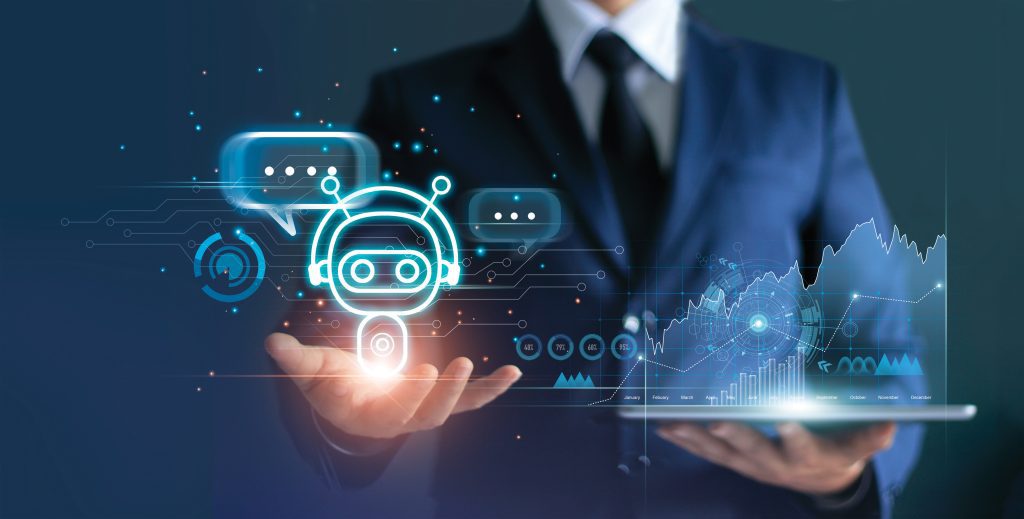
Machine customers, also known as “custobots,” are non-human economic actors that can negotiate and purchase goods and services autonomously in exchange for payment. By 2028, there will be 15 billion connected products with the potential to behave as customers, with billions more in the following years. This growth trend will be the source of trillions of dollars in revenue by 2030 and could become more significant than the advent of digital commerce. Strategic considerations include opportunities to facilitate these algorithms and devices or even create new custobots.
For example, in the manufacturing industry, autonomous machines are being programmed to automatically purchase raw materials when stocks are low, optimizing the production process and ensuring operational efficiency. Additionally, in the agriculture sector, autonomous tractors equipped with sensors and decision algorithms are purchasing seeds and fertilizers based on real-time soil conditions. These machine customers not only save time but also improve efficiency, reduce waste, and increase productivity across various sectors, providing significant opportunities for economic growth and innovation.
8. Sustainable Technology
Sustainable technology is a set of digital solutions aimed at promoting environmental, social, and governance (ESG) outcomes that support long-term ecological balance and human rights. The use of technologies such as AI, cryptocurrencies, the Internet of Things (IoT), and cloud computing is generating concerns regarding energy consumption and related environmental impacts. This makes it even more critical to ensure that technology use is more efficient, circular, and sustainable. Gartner predicts that by 2027, 25% of CIOs will have their personal compensation linked to the impact of their sustainable technology.
For example, in the energy industry, the implementation of the Internet of Things (IoT) in power grids enables real-time monitoring of energy consumption, optimizing distribution and reducing waste. Additionally, in logistics, blockchain (the same technology used in cryptocurrencies) is being used to track and verify the carbon footprint of products, enabling consumers to make more sustainable choices. These examples illustrate how sustainable technology not only meets ESG goals but also drives ecological efficiency across various industries, contributing to a greener and more sustainable future.
9. Platform Engineering

Platform engineering is the discipline of building and operating internal self-service development platforms. Each platform is a layer created and maintained by a dedicated product team, designed to meet the needs of its users, interacting with tools and processes. The goal of platform engineering is to optimize productivity, user experience, and accelerate value delivery to the business.
For example, in the technology industry, software companies are investing in internal platforms that allow their developers to access shared resources efficiently, accelerating the development of new products and services. Additionally, in the financial sector, banks are implementing self-service platforms that empower their data analysis teams to access and process information more quickly, improving decision-making. These examples demonstrate how platform engineering is driving innovation, optimizing productivity, and providing more effective solutions for the constantly evolving demands of business.
10. Industry Cloud Platforms

By 2027, Gartner predicts that more than 70% of companies will use industry cloud platforms (ICPs) to accelerate their business initiatives, compared to less than 15% in 2023. ICPs address industry-relevant business outcomes by combining underlying Software as a Service (SaaS), Platform as a Service (PaaS), and Infrastructure as a Service (IaaS) services into a complete product offering with composable capabilities. These platforms typically include an industry data framework, a library of packaged business capabilities, compositing tools, and other platform innovations. ICPs are cloud propositions customized for a specific industry and can be further tailored to an organization’s needs.
These strategic technology trends are shaping the future for businesses and IT leaders over the next three years. It is essential for organizations to track these trends and consider how they can leverage them to gain a competitive advantage in an ever-evolving business environment.
Summary of the Top 10 Tech Trends for 2024
| Technology Trend | Description |
| 1. Generative AI Democratization | Generative AI (GenAI) is becoming accessible to professionals worldwide, enabling access to pre-trained models and AI-enabled applications. |
| 2. AI Trust, Risk and Security Management | The need to ensure the reliability and security of AI systems is crucial as the technology becomes more widespread. |
| 3. AI-Augmented Development | AI assists software engineers in designing, coding, and testing applications, improving development team productivity. |
| 4. Intelligent Applications | Applications with learning capabilities to automate and improve work, providing dynamic experiences to users. |
| 5. Augmented and Connected Workforce | Optimizing the value of the human workforce with the help of intelligent applications and data analytics. |
| 6. Continuous Threat Exposure Management | Constant assessment of the accessibility, exposure, and exploitability of digital and physical assets to ensure security. |
| 7. Machine Customers | Non-human entities that can negotiate and purchase goods and services autonomously, with significant growth potential. |
| 8. Sustainable Technology | Use of technology to promote environmental, social, and governance (ESG) outcomes in an efficient and sustainable manner. |
| 9. Platform Engineering | Building and operating internal self-service development platforms to optimize productivity. |
| 10. Industry Cloud Platforms | Customized cloud solutions for specific industries that combine SaaS, PaaS, and IaaS services to accelerate business initiatives. |
Conclusion
In a world where technological change is constant, understanding the strategic trends for 2024 offers a solid foundation for technology leaders to make informed and strategic decisions. The democratization of AI, trust management, AI-driven development, and other trends open up a world of opportunities and challenges. Whether you are seeking technology partners or planning internal investments, remember that adaptation is the key to success in a constantly evolving technology environment. Now is the time to prepare for the future, identify the trends that resonate with your vision, and lead your organization toward a path of innovation and prosperity.
As we move toward 2024, technology continues to be a fundamental driver of business growth and resilience. The technology trends identified by Gartner are beacons that illuminate the path ahead, pointing to exciting opportunities and complex challenges. Technology leaders seeking strategic partners and smart investment plans are positioned to shape the future with vision and leadership. By keeping a close eye on these trends and acting with agility, you will be well prepared to face the opportunities and obstacles that the technology landscape of 2024 will bring.
About Zappts
Since 2014 in the market, Zappts supports leading brands in their markets, such as Porto, Getnet, BTG Pactual, Cateno, Ambev, Multilaser, Ultragaz, C&A, and Burger King, among others. Focused on software development, especially in Front-end, UX Design, Quality Assurance, and Cloud Environment Management, the company operates in the planning, management, and operation of enterprise digital solution development services, environment management, and knowledge transfer through information technology.
We are a leading company in creating digital experiences for users. In addition to developing innovative and fast solutions, we operate in a 100% remote model, with teams distributed across more than 18 states in Brazil.
To learn more about how Zappts can help your company, click here, and schedule a free assessment with our tech consultants.
Share this article
Related articles
16 set 2026
The End of Passive SaaS: Why You’ll Pay for Outcomes, Not Seats
The traditional software pricing model based on per-user licenses (seat-based SaaS) faces an inevitable decline in 2026.

09 set 2026
The Timid Autonomy Dilemma: Why Keeping AI in a Suggestion-Only Role Is Killing Your Margins
This article analyzes the financial impact of this "timid autonomy" and advocates for an urgent shift to the "Human-on-the-loop" (HOTL) model.

02 set 2026
The "SaaSocalypse" is actually an architecture and identity crisis.
This article reverse-engineers a real-world success story (anonymized) from the financial sector, dissecting the layers of...