
Trends in Heuristic Analysis and UX: A Guide for Technology Leaders
Discover the main trends in heuristic analysis and UX that are shaping the future of user experience, from AI and Machine Learning to accessibility and multicultural analysis.
12 de setembro de 2023
As technology leaders, understanding trends in heuristic analysis is crucial to enhance user experience and keep your company at the forefront of innovation. In this comprehensive guide, we explore the main technological trends in heuristic analysis and how they can be applied in a business context.
Heuristic analysis, a systematic approach to evaluate the usability of digital products, has evolved rapidly to keep pace with technological changes and growing user expectations. For technology leaders who wish to offer exceptional digital experiences, it is essential to be aware of emerging trends and how they can be leveraged.

Artificial Intelligence (AI) in Heuristic Analysis
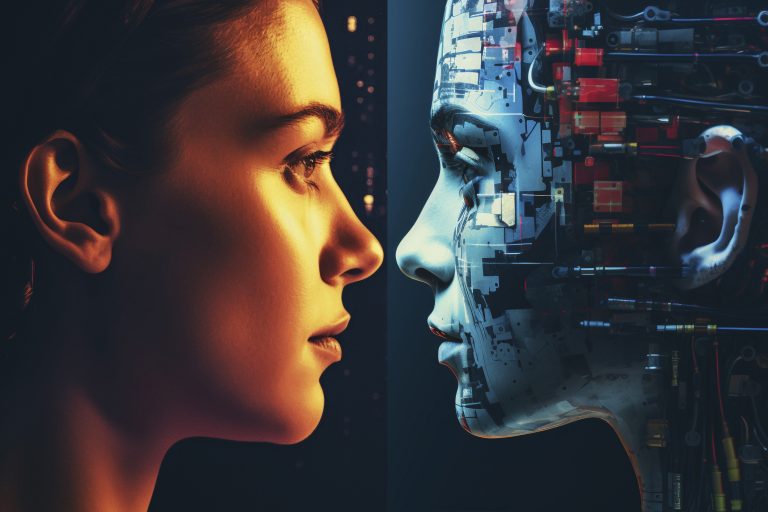
AI is transforming heuristic analysis in a revolutionary way. AI algorithms can automatically identify usability issues, accelerating evaluation and providing valuable insights. According to Gartner, by 2025, more than 50% of UX teams will incorporate AI into their daily activities. The adoption of AI in heuristic analysis saves time and resources, allowing specialists to focus on more complex issues.
The integration of Artificial Intelligence in heuristic analysis transcends the limits of the traditional process, enabling a deeper view of the nuances of user interaction with digital products. This approach provides not only operational efficiency, but also has a profound impact on user experience strategy. By freeing specialists from the manual task of identifying basic usability issues, AI empowers these professionals to focus their efforts on more strategic and creative challenges. This, in turn, leads to continuous improvement of user experience and, ultimately, to competitive advantage in the market.
As Artificial Intelligence continues to evolve, heuristic analysis becomes not just an evaluation tool, but a central pillar in creating exceptional digital products that meet the needs and expectations of users in a constantly transforming world.
Remote and Collaborative Heuristic Analysis
With the rise of remote work, heuristic analysis is becoming more collaborative and remote. Online collaboration tools allow specialists from different locations to evaluate products simultaneously. This streamlines the analysis process, leveraging insights from a diverse team. According to the Nielsen Norman Group, remote collaboration can reduce costs by up to 80%.
Remote and collaborative heuristic analysis triggers a new level of flexibility and efficiency in usability evaluation. As teams become more distributed, online tools enable real-time heuristic evaluation, regardless of the geographical location of team members. This not only reduces logistical challenges, but also provides the opportunity to bring together specialists from different backgrounds and skills, adding value to the analysis.
Furthermore, the ability to collaborate remotely results in considerable resource savings, eliminating the need for travel and optimizing specialists’ time. Remote and collaborative heuristic analysis is becoming an essential method for improving the usability of digital products in an increasingly connected and decentralized world.

Integration of Design and Prototyping Tools
The intersection of design and prototyping tools with heuristic analysis is becoming a fundamental piece in the pursuit of excellence in usability. This strategic integration allows for a holistic evaluation of design throughout the entire development cycle. From the initial stages of conception, where ideas take shape, to the final refinement phase, this approach ensures that usability is carefully evaluated at each step.
Collaboration between design and heuristic analysis teams is a key to the success of this integration. By bringing together creative designers with usability specialists, a perspective-rich dynamic is created. Through this constructive collaboration, potential problems are identified early, before they become significant obstacles.
The result is an agile process of identifying and resolving usability issues, saving time and resources that would otherwise be invested in post-launch corrections. The union of these disciplines creates a user-centered innovation culture, where design and usability work harmoniously to deliver digital products that offer an optimized and impactful experience.
Virtual Reality (VR) and Augmented Reality (AR) in Heuristic Evaluation
The growing adoption of Virtual Reality (VR) and Augmented Reality (AR) is transforming the way we conduct heuristic analyses. Through these technologies, specialists have the opportunity to immerse themselves in virtual environments where they can simulate user interactions in realistic scenarios. This immersive approach provides a unique view of user interactions, allowing specialists to evaluate usability more authentically and anticipate real behaviors.
The integration of VR and AR in heuristic analysis is a revolution in usability evaluation. Specialists no longer need to rely solely on static prototypes or limited simulations; they can now interact with digital products in interactive virtual environments. This results in deeper insights into how users interact with design, how they perform specific tasks, and how they respond to interfaces.
By simulating real-world situations, VR and AR enrich heuristic evaluation, providing a perspective closer to the end user’s experience. This immersive approach not only identifies usability issues, but also guides solutions more precisely and impactfully.
Heuristic Analysis for Multiple Devices
In today’s diversified technological landscape, heuristic analysis is adapting to meet the particularities of a wide range of devices, from smartphones to voice assistants. This update is essential to ensure that user experience is consistent across all types of interfaces. Mobile devices, smartwatches, and voice assistants present unique interaction challenges, and heuristics are being refined to accommodate these specific interfaces, taking into account screen size limitations, input methods, and usage contexts.
The explosion of devices demands an agile and adaptive approach to heuristic analysis. Updated heuristics consider factors such as touch, gestures, voice commands, and even haptic responses. The Forrester report highlights the importance of a context-sensitive approach, recognizing that interactions vary according to the device and the user’s environment.
By adapting heuristics for different devices, UX teams can ensure that usability and user experience remain cohesive and effective, regardless of the platform chosen by the user. This results in smoother user experiences and lasting competitive advantage in the constantly evolving technological landscape.

Integrated Accessibility Heuristics
Accessibility is an imperative agenda in the creation of inclusive digital products. Integrating accessibility heuristics into conventional heuristic analysis amplifies the commitment to offering products that are usable by all people, regardless of their abilities. Accessibility goes beyond an option; it is a responsibility of all UX and design teams to provide inclusive experiences that meet the needs of all users.
The alarming statistic from WebAIM, revealing that 98.1% of websites still face accessibility issues, highlights the urgency of a more attentive and systematic look at digital accessibility. The incorporation of accessibility heuristics into conventional heuristic analysis addresses this need head-on, allowing teams to identify usability barriers for people with disabilities.
In addition to meeting accessibility guidelines, this approach expands product reach, contributes to digital inclusion, and projects a positive image for brands that recognize the importance of putting all users first.
Post-Launch Heuristic Analysis
Heuristic analysis, previously limited to the development phase, is now extending beyond product launch. As the approach gains a continuous perspective, companies are adopting a mindset of constant usability improvement. It is increasingly recognized that post-launch evaluation is as crucial as prior evaluation, allowing emerging problems to be identified and resolved proactively.
The post-launch heuristic analysis approach contributes to continuous improvement of user experience. By constantly monitoring usability and collecting user feedback in real scenarios, companies can refine their products according to constantly evolving needs. This strategy not only increases user satisfaction, but also strengthens brand loyalty, as users feel their concerns and suggestions are heard and valued.
Post-launch heuristic analysis is a step toward an iterative improvement cycle, where digital products not only meet expectations, but continue to surprise and delight users over time.

Performance Metrics in Heuristic Analysis
Heuristic analysis is no longer limited to identifying usability issues. A growing trend involves the integration of performance metrics as an intrinsic part of evaluation. In addition to pointing out challenges, analysis teams are focusing on measuring performance in quantifiable terms, such as the time needed to complete tasks and the error rate throughout the interaction.
By introducing performance metrics into heuristic analysis, teams are opening doors for more precise and informed optimization. These metrics not only validate the effectiveness of improvements implemented after initial evaluations, but also provide tangible insights for future improvement.
With concrete data in hand, decisions about resource allocation and action prioritization can be made more substantiated, maximizing the impact of usability improvements. This quantitative approach complements traditional qualitative analysis, leading to a comprehensive understanding of product performance and the creation of truly exceptional user experiences.
Multicultural Heuristic Analysis
In an increasingly globalized and multipolar world, multicultural heuristic analysis emerges as a critical necessity. Considering cultural nuances when evaluating usability is fundamental to ensuring that digital products serve diverse audiences. Understanding cultural particularities goes beyond language, involving behavioral aspects, values, and unique preferences from different regions of the world.
Multicultural heuristic analysis reflects a genuine commitment to inclusion and diversity. By taking into account the needs and expectations of different cultural groups, UX teams have the opportunity to create products that truly resonate with a variety of users. By adopting a multicultural approach, companies can not only expand their global reach, but also demonstrate a tangible commitment to creating truly inclusive and meaningful experiences.
Machine Learning for Continuous Evaluation
The application of Machine Learning to heuristic analysis is revolutionizing the way we perceive usability evaluation. Through advanced algorithms, the evaluation process is evolving from static to continuous and proactive. These algorithms learn from a vast set of historical data, identifying patterns and trends in usability issues over time. This dynamic approach provides valuable real-time insights, enabling teams to identify and address usability issues more effectively and agilely.
The integration of Machine Learning into heuristic analysis is leading to continuous optimization of user experience. By empowering teams with data-driven insights, improvements can be directed more strategically, addressing the most impactful usability issues. Furthermore, this approach enables proactive prevention of problems, preventing them from becoming significant obstacles for users.
As Machine Learning algorithms evolve and improve, data-driven continuous heuristic analysis is shaping a future where user experiences are constantly improved, ensuring that every digital interaction is the best possible.

Business View in the Brazilian Context
In the Brazilian business context, user experience is emerging as a critical factor for competitiveness. Companies are realizing that offering an exceptional experience is essential to attract and retain customers in an increasingly competitive market. The “Mobile Time/Opinion Box” report sheds light on the importance of this aspect in Brazil, revealing that 76% of Brazilians have already uninstalled applications due to a unsatisfactory user experience. This highlights the direct influence that usability has on consumers’ decisions to remain with or abandon a digital product.
Investing in heuristic analysis not only improves usability, but also translates into concrete gains for businesses in the Brazilian landscape. By prioritizing user experience evaluation, companies can improve customer retention, increase satisfaction, and consolidate their user base.
Through proactive problem identification and constant optimization, companies can offer digital products that meet user expectations, strengthening brand loyalty and generating positive word-of-mouth. In the Brazilian business environment, heuristic analysis is not just a technical tool, but a business strategy to stand out in a constantly evolving market.
Conclusion: Preparing for the Future of User Experience
As digitalization continues to shape our daily interactions, heuristic analysis emerges as a guiding beacon for technology leaders. The constantly evolving scenario demands that user experience strategies evolve together. Those who recognize and embrace emerging trends will be positioned to lead the transformation, creating digital products that transcend user expectations. The integration of AI, remote collaboration, accessibility, and other trends is not just an option, but a necessity for those seeking to define the future of user experience.
In summary, heuristic analysis is much more than a simple usability evaluation. It is a dynamic and multifaceted approach that adapts to technological trends and user needs. By understanding the complexities of user experience, technology leaders are paving a path to excellence in usability.
As technology continues to advance, those who embrace heuristic analysis as an intrinsic part of their strategy will be in a privileged position to lead the revolution in user experience, creating digital products that not only keep up, but also define the digital future.
About Zappts
Since 2014 in the market, Zappts supports leading brands in their markets, such as Porto, Getnet, BTG Pactual, Cateno, Ambev, Multilaser, Ultragaz, C&A and Burger King, among others. Focused on software development, especially in Front-end, UX Design, Quality Assurance and Cloud Environment Management, it acts in the planning, management, and operation of corporate digital solution development services, environment management, and knowledge transfer through information technology.
We are a reference company in creating digital experiences for users. In addition to developing innovative and fast solutions, we operate in a 100% remote model, with teams distributed across more than 18 states in Brazil.

To learn more about how Zappts can help your company, click here, and get a free assessment with our tech consultants.
Share this article
Related articles
16 set 2026
The End of Passive SaaS: Why You’ll Pay for Outcomes, Not Seats
The traditional software pricing model based on per-user licenses (seat-based SaaS) faces an inevitable decline in 2026.

09 set 2026
The Timid Autonomy Dilemma: Why Keeping AI in a Suggestion-Only Role Is Killing Your Margins
This article analyzes the financial impact of this "timid autonomy" and advocates for an urgent shift to the "Human-on-the-loop" (HOTL) model.

02 set 2026
The "SaaSocalypse" is actually an architecture and identity crisis.
This article reverse-engineers a real-world success story (anonymized) from the financial sector, dissecting the layers of...